Self-paced course

Understanding Haitian Culture

Best Practices for Community-Based Providers

Help providers gain a deeper understanding of Haitian culture and put into practice the approaches that work best when serving Haitian migrants.

  • 6 instructors
  • 40 lessons
  • 3h 6m
  • CE approval pending

Overview

What you’ll learn

  • Communicate more effectively with Haitian clients and families
  • Build trust through cultural awareness and sensitivity
  • Recognize social and economic factors that influence care
  • Develop action plans that reflect Haitian cultural values

Who it’s for

  • Therapists, counselors, and social workers
  • Physicians, nurses, and community health workers
  • Case managers and patient navigators
  • Immigration and resettlement staff
  • Teachers, school counselors, and special education teams
  • Workforce, HR, and community-based organizations

No prior knowledge of Haitian culture is needed.

How it works

Format
Self-paced video lessons. Start anytime.
Order
Lessons open one at a time as you finish each one.
Completion
Watch every lesson, pass the post-test, and submit the course evaluation.
Language
English.

Curriculum

6 modules · 40 lessons · 3h 6m total

1Haiti Throughout HistoryDr. J.C. Belizaire, PhD, LMHC, CAP, QS5 lessons24 mins

The first nation founded by people who freed themselves from slavery, and how that history shapes work, family, authority, and help-seeking today.

  1. 1.1Introduction - Dr. JCFree preview2:10
  2. 1.2Historical Overview of Haiti4:50
  3. 1.3Events That Led To Collective Migration4:48
  4. 1.4The Process of Assimilation8:37
  5. 1.5Diversity In The Community3:25
Topics covered
  • The Haitian Revolution, the legacy of slavery, and why Black culture is not monolithic
  • Why many Haitians put work and school ahead of mental health
  • The collective family, here and back home
  • Getting lost in the American system, and what services can do
  • Representation, and bringing local churches into social services
  • The cost of untrained interpreters, and how to hire well
  • Fear of deportation, distrust of authority, and public assistance
  • Coping through a lens of cultural humility
2Haitians in the WorkplaceDr. Juliette Nelson, PhD-IOP6 lessons33 mins

From the classroom to the workplace: what helps Haitian immigrants succeed in systems built on different expectations, and what holds them back.

  1. 2.1Introduction - Dr. NelsonFree preview5:20
  2. 2.2The Haitian Workforce Today2:09
  3. 2.3The Haitian Workforce in a U.S. Context5:05
  4. 2.4The Importance of Intersectionality3:03
  5. 2.5Key Differences Affecting Work & Learning8:19
  6. 2.6How To Support This Population9:33
Topics covered
  • Inclusion and neurodivergent learners
  • Learning in Haiti vs. the U.S., and entering U.S. schools
  • Cultural barriers to workforce development
  • Academic barriers and the supports that help
  • Accent, stigma, and social acceptance
  • What CBOs can do better to promote mobility
  • What new immigrants need to know to succeed
3Trauma and Mental HealthDr. Woomendy Emil, PhD11 lessons15 mins

Recognize trauma the way Haitian clients experience and express it, in a culture where mental health services have long been scarce.

  1. 3.1Mental Health In The Haitian CommunityFree preview1:32
  2. 3.2Mental Health Services in Haiti1:04
  3. 3.3Understanding Trauma0:44
  4. 3.4Types Of Trauma0:48
  5. 3.5Trauma Across The Migration Journey1:13
  6. 3.6Migration And Family Impact1:12
  7. 3.7Trauma And Misdiagnosis1:55
  8. 3.8Recognizing Trauma And Misdiagnosis1:25
  9. 3.9Healing Practices & Bridging Approaches1:58
  10. 3.10Mental Health Language2:11
  11. 3.11Key Takeaways0:53
Topics covered
  • The scarcity of mental health services in Haiti
  • Defining trauma
  • Migration trauma and the family unit
  • Violence, abuse, and political unrest
  • Missed or misdiagnosed PTSD, anxiety, and depression
  • Caribbean natural healing vs. a medication-first approach
  • How Haitians talk about distress
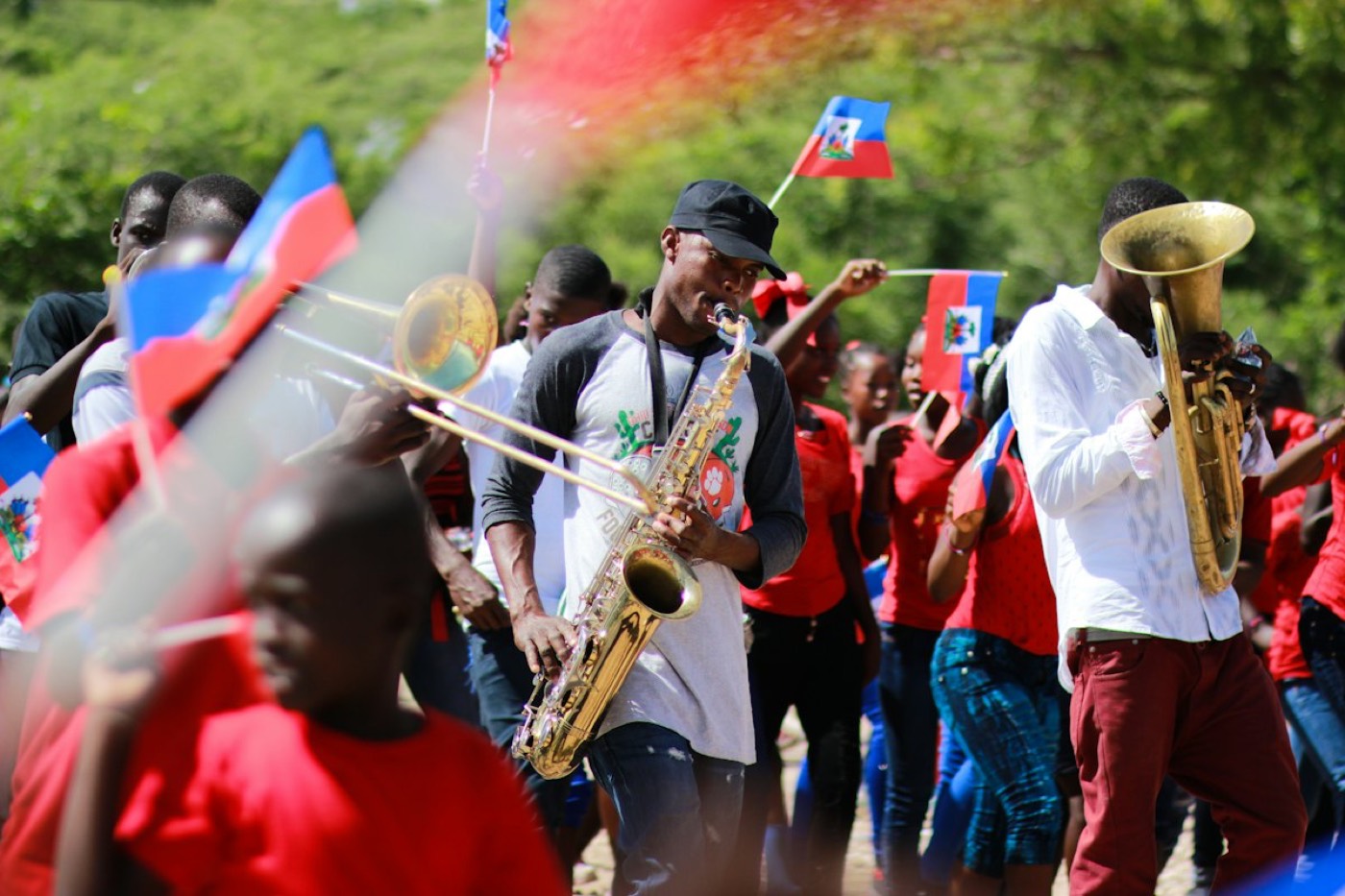
4Art and Music as Memory, Resistance, and HealingMarcus Lolo7 lessons21 mins

How Haitian art and music carry history, protest, and hope, and how creative expression opens doors talk therapy alone may not.

  1. 4.1Haitian Art & MusicFree preview1:40
  2. 4.2Art, Culture & Connection1:23
  3. 4.3Haitian Music-Roots & Rhythms6:37
  4. 4.4Culture, Identity & Migration3:02
  5. 4.5Music As Resistance2:24
  6. 4.6Haitian Literature & The Arts4:00
  7. 4.7Culture In Practice1:54
Topics covered
  • Art and music as storytelling and cultural preservation
  • Music in Haitian resistance, survival, and identity
  • Traditional and contemporary music as healing
  • Visual art on migration, memory, and resilience
  • Art and music as culturally relevant coping tools
  • Culturally grounded art and music programs
5Food, Family, and CommunityChef Emmanuel SimeusVideos coming soon

In Haitian homes, a meal is never just a meal. Food as identity, as care, and as one of the most effective ways to build trust.

Lessons for this module are being recorded. Enrolled learners get them as soon as they’re added.

Topics covered
  • Food as cultural identity and memory
  • The communal meal and shared responsibility
  • Cooking as care, healing, and expression
  • Food traditions carried through migration
  • Food as a bridge for trust and engagement
  • Bringing Haitian food into programs and spaces
6Integrated Physical and Mental HealthDr. Sonita Claude-Simelus, MD, DrPH, MPH, CHES®11 lessons33 mins

The leading conditions in Haitian communities and how providers can improve care, communication, and follow-through.

  1. 6.1Integrated Physical & Mental Health In Haitian CommunitiesFree preview4:14
  2. 6.2Physical & Mental Health Connection3:16
  3. 6.3Leading Conditions2:50
  4. 6.4Myths and Misconceptions2:35
  5. 6.5Improving Health Literacy3:33
  6. 6.6Impact Of Social Determinants Of Health3:21
  7. 6.7Barriers To Care2:54
  8. 6.8Provider-Patient Interaction and Communication2:34
  9. 6.9Using A Culturally Respectful & Trust-Building Approach5:19
  10. 6.10Practical Questions To Ask Your Haitian Patients1:16
  11. 6.11Key Takeaways0:55
Topics covered
  • How physical and mental health connect
  • Heart disease, hypertension, diabetes, and cancer
  • Myths and misconceptions about physical health
  • Improving health literacy
  • Housing, income, immigration, and access to care
  • Insurance, status, and cultural barriers to care
  • Respectful, trust-building communication
  • Supporting treatment adherence
Post-test, evaluation, and certificatePass the post-test and share your feedback to receive your certificate of completion.

Module 5 is still being recorded; its length is an estimate.

Instructors

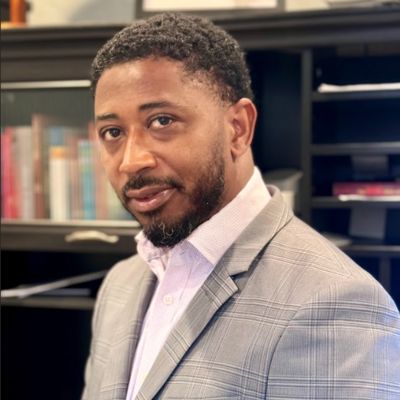
  • Headshot of Dr. J.C. Belizaire, PhD, LMHC, CAP, QS

    Haitian History

    Dr. J.C. Belizaire, PhD, LMHC, CAP, QS

    Board-certified Addiction Professional and Licensed Mental Health Counselor

    Dr. Belizaire has spent more than a decade in private practice, after work in psychiatric care and foster care. An eclectic clinician who draws on CBT, psychoanalysis, and solution-focused and existential therapy, he works with immigrants, refugees, veterans, and survivors of trauma and abuse.


  • Headshot of Dr. Juliette Nelson, PhD-IOP

    Education and Workforce

    Dr. Juliette Nelson, PhD-IOP

    Industrial-Organizational Psychologist

    Dr. Nelson is an entrepreneur and the author of Sharing My Lens: The College Experience, whose research explores organizational trauma, creative suffering, and psychological safety among BIPOC workers. Dr. Nelson founded and leads JUNURI and co-founded Vwazen, a learning platform for Haitian Creole speakers and learners.

  • Headshot of Dr. Woomendy Emil, PhD

    Trauma and Mental Health

    Dr. Woomendy Emil, PhD

    Marriage and Family Therapist

    Dr. Emil works with clients from pre-teens through older adults. Her trauma-informed, culturally responsive practice helps individuals, couples, and families strengthen communication, heal from trauma, and navigate identity and family dynamics.

  • Headshot of Marcus Lolo

    Art and Music

    Marcus Lolo

    Pianist, Composer, Educator

    Marcus Lolo is a Haitian-American jazz pianist, composer, arranger, bandleader, and educator known for fusing traditional Haitian rhythms with jazz improvisation. Raised in Port-au-Prince until 2009, he is a performer and community arts advocate, and is pursuing a graduate degree in Jazz Piano Performance at the Eastman School of Music, where he also teaches.

  • Headshot of Chef Emmanuel Simeus

    Food and Culinary Culture

    Chef Emmanuel Simeus

    Private Chef

    Chef Simeus is a graduate of the Culinary Institute of America, with a bachelor's degree in Culinary Arts, whose cooking balances bold Caribbean flavors with French tradition. Two years in France studying French and Mexican techniques shaped his approach: telling stories through food, honoring culture through a modern fine-dining lens.

  • Headshot of Dr. Sonita Claude-Simelus, MD, DrPH, MPH, CHES®

    Integrated Physical and Mental Health

    Dr. Sonita Claude-Simelus, MD, DrPH, MPH, CHES®

    Physician & Public Health Consultant

    Dr. Simelus is an internationally trained physician and public health strategist whose work spans clinical medicine, program evaluation, community health assessment, and population health strategy. Shaped by experience across countries and health systems, she brings a culturally responsive, systems-level approach to work with community-based organizations, public health programs, and nonprofits.

Questions

Do I need to speak Haitian Kreyòl?

No. The course is taught in English. You'll learn key terms and how to work well with interpreters.

Is this only for mental health professionals?

No. The course is designed for anyone serving Haitian families: health care, education, social services, immigration, workforce, faith communities, and volunteers.

Does this course offer CE credits?

The course is under review for continuing education approval. Approval details, credit hours, and eligible professions will be posted here once it is approved.

How long do I have to finish?

The course is self-paced, so you can start anytime and move through the lessons on your own schedule.

Will I receive a certificate?

Yes. Participants who complete every lesson, pass the post-test, and submit the course evaluation receive a certificate of completion.

Can my organization enroll as a group?

Yes. Email info@savesoulsinc.org for group pricing.

Will more courses be added?

Yes. This is the first SaveSouls Academy course. More courses for providers will follow.

Still unsure? Email info@savesoulsinc.org and our team will help.